
 [div class=attrib]By Robert Pinsky for Slate:[end-div]
Denunciation abounds, in its many forms: snark (was that word invented or fostered in a poem, Lewis Carroll’s “The Hunting of the Snark“?), ranking-out, calling-out, bringing-down, blowing-up, flaming, scorching, trashing, negative campaigning, skepticism, exposure, nailing, shafting, finishing, diminishing, down-blogging. Aggressive moral denunciation—performed with varying degrees of justice and skill in life, in print, on the Web, in politics, on television and radio, in book-reviewing, in sports, in courtrooms and committee meetings—generates dismay and glee in its audience. Sometimes, for many of us, dismay and glee simultaneously, in an uneasy combination.
A basic form of denunciation is indicated by the slightly archaic but useful expression giving the lie.
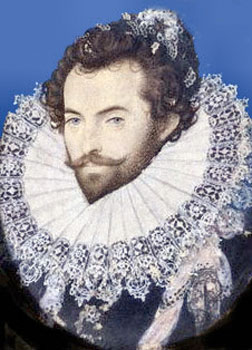
No one has ever given the lie more memorably, explicitly, and universally than Sir Walter Raleigh (1552-1618) in “The Lie.” The poem, among other things, demonstrates the power of repetition and refrain. The power, too, of plain rather than fancy or arcane words—for example, blabbing.
I remember being enchanted—a bit excessively, I now think—when I first read “The Lie” by a single wonderful image early on: “Say to the court it glows/ And shines like rotten wood.” The mental picture of an opalescent, greenish glow on a moldy softwood plank—that phosphorescent decay—knocked me out (to use an expression from those student days). It was a period when images were highly prized, and my teachers encouraged me to prize images, the deeper the better. Well, though I may have been unreflectingly guided by fashion, at least I had the brains to appreciate this great image of Raleigh’s.
But now that superb rotten wood feels like an incidental or ancillary beauty to me, one moment in a larger force. What propels this poem is not its images but its masterful breaking down of an idea into social and moral components: the brilliant, considered division into hammer-blows of example and refrain while the pace and content vary around that central pulse. “Driving home the point” could not have a more apt demonstration.
Raleigh’s manic, extended thoroughness; his resourceful rhyming; his relentless, wide gaze that takes in love and zeal, wit and wisdom, and, ultimately, also includes his own soul’s “blabbing”—this is form as audible conviction: conviction of a degree and kind attainable only by a poem.
“The Lie”
Go, soul, the body’s guest,
….Upon a thankless arrant;
Fear not to touch the best;
….The truth shall be thy warrant:
….….Go, since I needs must die,
….….And give the world the lie.
Say to the court it glows
….And shines like rotten wood,
Say to the church it shows
….What’s good, and doth no good:
….….If church and court reply,
….….Then give them both the lie.
Tell potentates, they live
….Acting, by others’ action;
Not lov’d unless they give;
….Not strong, but by affection.
….….If potentates reply,
….….Give potentates the lie.
Tell men of high condition,
….That manage the estate,
Their purpose is ambition;
….Their practice only hate.
….….And if they once reply,
….….Then give them all the lie.
Tell them that brave it most,
….They beg for more by spending,
Who in their greatest cost
….Like nothing but commending.
….….And if they make reply,
….….Then give them all the lie.
Tell zeal it wants devotion;
….Tell love it is but lust;
Tell time it meets but motion;
….Tell flesh it is but dust:
….….And wish them not reply,
….….For thou must give the lie.
Tell age it daily wasteth;
….Tell honour how it alters;
Tell beauty how she blasteth;
….Tell favour how it falters:
….….And as they shall reply,
….….Give every one the lie.
Tell wit how much it wrangles
….In tickle points of niceness;
Tell wisdom she entangles
….Herself in over-wiseness:
….….And when they do reply,
….….Straight give them both the lie.
Tell physic of her boldness;
….Tell skill it is prevention;
Tell charity of coldness;
….Tell law it is contention:
….….And as they do reply,
….….So give them still the lie.
Tell fortune of her blindness;
….Tell nature of decay;
Tell friendship of unkindness;
….Tell justice of delay:
….….And if they will reply,
….….Then give them all the lie.
Tell arts they have no soundness,
….But vary by esteeming;
Tell schools they want profoundness,
….And stand too much on seeming.
….….If arts and schools reply,
….….Give arts and schools the lie.
Tell faith it’s fled the city;
….Tell how the country erreth;
Tell manhood, shakes off pity;
….Tell virtue, least preferreth.
….….And if they do reply,
….….Spare not to give the lie.
So when thou hast, as I
….Commanded thee, done blabbing;
Because to give the lie
….Deserves no less than stabbing:
….….Stab at thee, he that will,
….….No stab thy soul can kill!
—Sir Walter Raleigh
[div class=attrib]More from theSource here.[end-div]
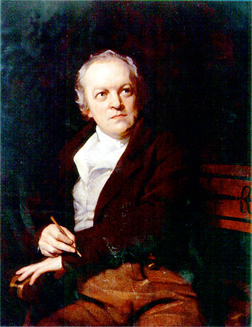
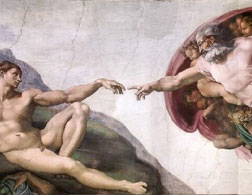
 The lengthy corridors of art history over the last five hundred years are decorated with numerous bold and monumental works. Just to name a handful of memorable favorites you’ll see a pattern emerge:
  [div class=attrib]By Robert Pinsky for Slate:[end-div]
 [div class=attrib]By Robert Pinsky for Slate:[end-div]
 Artist
 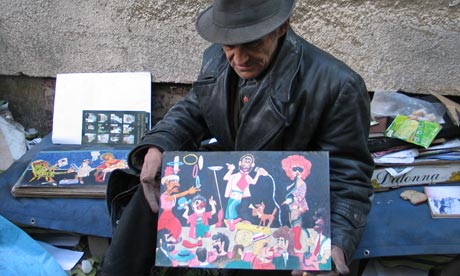 The guests were chic, the bordeaux was sipped with elegant restraint and the hostess was suitably glamorous in a canary yellow cocktail dress. To an outside observer who made it past the soirée privée sign on the door of the Anne de Villepoix gallery on Thursday night, it would have seemed the quintessential Parisian art viewing.
 [div class=attrib]By Gary Kasparov, From the New York Review of Books:[end-div]
 [div class=attrib]By Robert Pinsky for Slate:[end-div]
 [div class=attrib]From The New York Times:[end-div]
 [div class=attrib]By Robert Pinsky for Slate:[end-div]
 The earthquake in central Italy last week zeroed in on the beautiful medieval hill town of L’Aquila. It claimed the lives of 294 young and old, injured several thousand more, and made tens of thousands homeless. This is a heart-wrenching human tragedy. It’s also a cultural one. The quake razed centuries of L’Aquila’s historical buildings, broke the foundations of many of the town’s churches and public spaces, destroyed countless cultural artifacts, and forever buried much of the town’s irreplaceable art under tons of twisted iron and fractured stone.
 [div class=attrib]By Andrew Sullivan for the Altantic[end-div]
 [div class=attrib]From Eurozine:[end-div]
 Robert Rauschenberg